• facebooktwitter
  • Basket
  • Login
  • +44 (0)203 166 0968 Info Line: Mon-Fri 9am-5pm GMT
Credit card icons

Food Allergies & Intolerance

Fish and Shellfish Allergy

A fish allergy occurs when your immune system mistakes fish proteins as harmful and produces antibodies in order to neutralise these proteins. Once released within the body, these antibodies cause a reaction that leads to an increase in the production of histamine. Release of histamine and other inflammatory mediators, leads to common allergy symptoms such as inflammation and irritation of the soft tissue of the skin.

The greatest risk from fish allergies is anaphylaxis. This can cause life-threatening breathing, cardiac, and gastrointestinal symptoms. Fish allergy is considered one of the most common food allergies. It is also less likely than other allergies to be outgrown. Although other common food allergies may be outgrown, this is much less likely with fish allergy due to its severity.

Fish allergy and our Omega 3 capsules

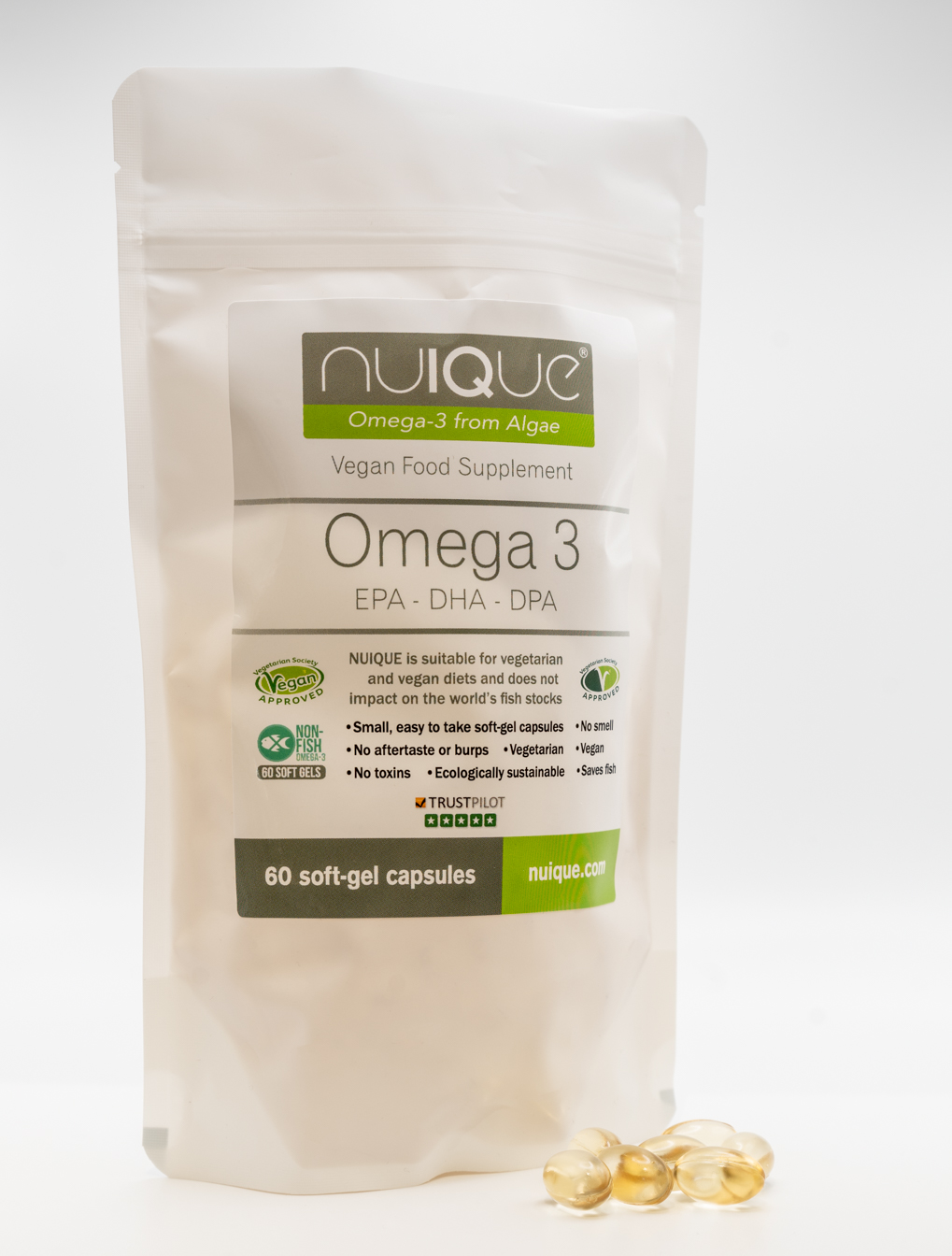
*Our Omega 3 is made from algae; it is a totally NON-FISH, NON-ANIMAL source of long chain Omega 3 EPA & DHA. Even the capsule shell is vegan. There are no harmful proteins within our algal oils and therefore there are unlikely to be associated risks with our algal oil and fish, shellfish allergy or intolerance.

Disclaimer

*Always consult your doctor before taking any supplements.

Other vegan Omega 3 supplements

If you are not able to consume fish due to a fish allergy, you may have already considered a vegan or vegetarian Omega 3 alternative to fish oil supplements. Beware, not all Omega 3's are equal. Unfortunately, manufacturers are not obliged to make the distinction between short chain omega 3 (ALA) and long chain Omega 3 (EPA, DHA) polyunsaturated fatty acids (PUFAs) on their labelling. So when you see 'contains Omega 3' on a label, look for EPA, DHA.

Short chain PUFAs are obtained from walnuts, soy, flax oil, hemp oil and many other land based foods. They require conversion within the body to long chain Omega 3 (EPA, DHA) in order to be of benefit in building and maintaining healthy eyes and brains .

There are only two superior sources of long chain Omega 3 (EPA, DHA) and these are; fish oil and algae oil.

Iodine

Our Algal oils does not contain iodine, people with shellfish allergy are often warned against iodine intake. Iodine is an element present in a wide range of items including seaweeds and shellfish. However, iodine allergy is unrelated to shellfish allergy. The allergen present in shellfish is not iodine but protein in the flesh of the shellfish or fish.

Avoid Fish Oil Omega 3 Supplements

Fish oil Omega 3 supplements are not recommended for people with a fish or shellfish allergy because fish oil and cod liver oil supplements may still contain small amounts of fish proteins even when these proteins have been removed from the oils supposedly.

Symptoms

Fish and shellfish allergy symptoms can include minor symptoms such as : sinus congestion, sneezing, a runny nose, coughing, nausea, vomiting, diarrhoea, stomach cramps, wheezing and asthma, shortness of breath, tingling in the skin and skin rashes. More serious symptoms include, generalised eczema, swelling of the lips, face, tongue, throat, itching, hives, nausea, vomiting, diarrhoea, fainting, trouble with breathing, dizziness and abdominal pain, rapid heart rate and a drop in blood pressure. The most severe is a condition known as anaphylaxis which can cause life-threatening breathing, cardiac, and gastrointestinal symptoms.

Food Intolerance and Food Allergy

Sometimes it's difficult to know whether you have food allergy or intolerance. Often the symptoms are similar, such as feeling unwell, diarrhoea, vomiting, gastrointestinal pain and fever. There are some symptoms which you often get only in food allergies and not in food intolerance.

Your doctor is the best person to advise you as to whether you have a food allergy, food intolerance or another condition, and what treatment you need.

Please Note

The information on this site is not intended to be exhaustive, if you have an allergy to fish oil, shellfish or a food intolerance to these foods, it's important that you discuss your concern with your doctor first and take necessary precautions to avoid any adverse effects from contact with these foods. There is a wealth of information on these topics on the internet that can help you identify, live with and avoid certain situations where you could come into contact with fish.

Our Omega 3 supplements and Food Sensitivity

Our algae-derived EPA DHA capsules are free from wheat, sugar, gluten, dairy all animal products and by-products.

We add soy derived Vitamin E; this acts as a natural anti-oxidant and preservative. Generally we have found that people with soy allergy don't have any problems when taking any of our Omega oils.

A Maternal Diet Rich In Omega 3 Can Combat Food Allergies In Children

Posted On: Thursday 13th October 2011
Summary: Research suggests that a maternal diet rich in Omega 3 fatty acids can boost the immune system of the unborn child and make the development of food allergies less likely.

A study in France has shown that if pregnant women enjoy a diet rich in Omega 3 fatty acids, the intestinal development of their unborn children will equip them better to absorb into their bloodstream and the digested food and bacteria that will stimulate their immune system to produce the antibodies that resist the development of food allergies.

There is debate regarding just how prevalent food allergies are in children, for these have sometimes become almost fashionable. Rigorous testing, when conducted, has shown that only a minority of those claiming an allergy actually have one. Nevertheless, when an allergy is really present, the health implications for the child can be serious. There is evidence that allergic reactions are more prevalent than they used to be.

One explanation for the growth in allergies is that domestic hygiene gives children less exposure to the kind of hazards that stimulate the development of their immune systems. But early exposure to potentially allergic foods, even while still in the womb, can help to prevent later problems.

Effect of Omega 3 long chain polyunsaturated fatty acid supplementation in pregnancy on infants' allergies in first year of life: randomised controlled trial

Recently¹, a study published in the BMJ investigated supplementation of diet in pregnancy with long chain polyunsaturated fatty acids (LCPUFA's), and its effect on allergy in infants at the end of the 1st year of life. This study, in more than 700 subjects showed that DHA, given to the mothers to be, as a supplement (800/100mg DHA/EPA per day), did not show an overall reduction in immunoglobin associated disease at 1 year of age in their babies. However, there was a reduction in the percentage of infants with atopic eczema, and a reduced percentage of infants with sensitisation to egg.

Atopic eczema and sensitisation to egg were reduced by Omega 3 LCPUFA's supplementation during pregnancy. The authors recommended further work to provide evidence on LCPUFA's supplementation as an allergy prevention strategy.

¹Palmer D J, Sullivan T, Gold M S, Prescott, Heddle R, Gibson R A, and Makarides M
BMJ 2012; 344:e184